Understanding AR Glasses: The Future of Augmented Reality Technology
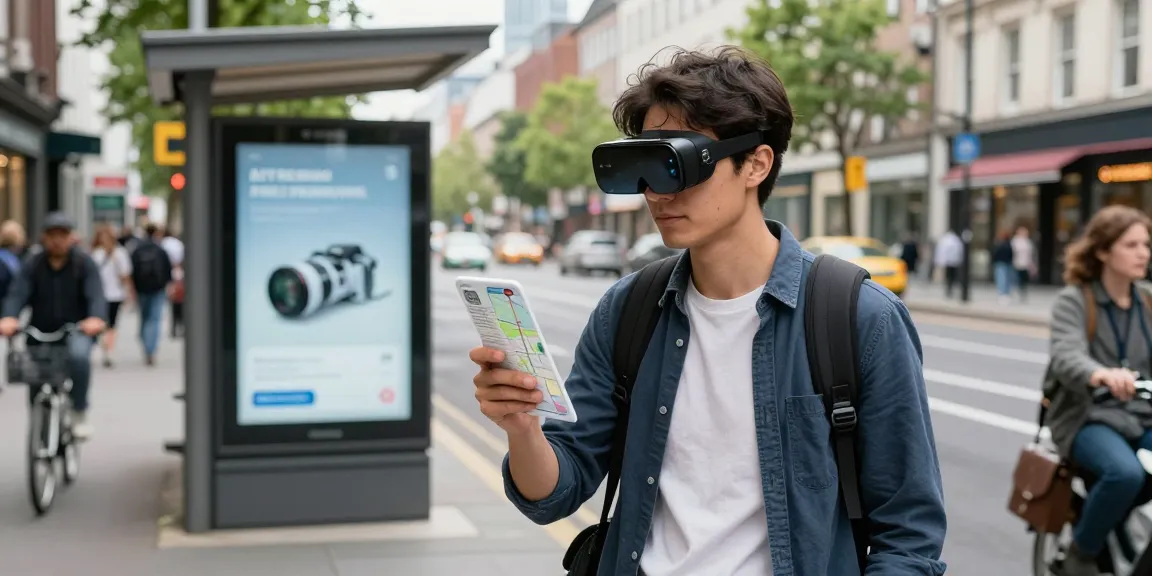
As technology rapidly evolves, augmented reality (AR) glasses have emerged as a transformative tool in various fields, changing the way we interact with information and our environment. These sophisticated devices blend digital content seamlessly with the physical world, creating immersive experiences that can enhance daily activities, from work to entertainment. In this guide, we explore the cutting-edge advancements in AR glasses, their functionality, and what to expect in 2026.
For those interested in the latest advancements and models, AR glasses are set to revolutionize how we engage with both digital and ...
What Are AR Glasses and How Do They Work?
AR glasses are wearable devices that overlay digital information onto the real world through a combination of computer vision, simultaneous localization and mapping (SLAM), and depth tracking technologies. The glasses are equipped with various sensors and cameras that gather real-time data about the user's environment, allowing the device to project interactive graphics onto the user's field of view. This technology enables applications that range from gaming and navigation to healthcare and industrial training.
The Evolution of AR Glasses: From Concept to Reality
The journey of AR glasses has been marked by significant technological advancements since their inception. Early models, such as the Google Glass, provided users with limited functionality and faced challenges related to privacy and design. However, recent innovations have led to more refined products that offer enhanced capabilities, including voice recognition, advanced optics, and improved battery life. Companies like Microsoft, Apple, and Google are heavily investing in AR technology, signaling a promising future for these devices.
Key Features to Look For in 2026 AR Glasses
- Lightweight Design: Comfort is crucial for prolonged use, so expect lighter materials and ergonomic designs.
- High-Resolution Displays: Enhanced visual clarity will be vital for a more immersive experience.
- Extended Battery Life: Battery innovation will focus on longer usage periods without frequent charging.
- Robust Sensor Integration: Improved sensors will enhance environmental awareness and interaction capabilities.
- Adaptive Interfaces: User interfaces that can learn and adapt to individual preferences will become more common.
Top Brands and Models of AR Glasses in 2026
Review of Leading AR Glasses Available Today
The AR glasses market is reaching maturity with several key players leading the charge. Microsoft’s HoloLens 3 is gaining attention for its enterprise applications, while Apple’s anticipated AR glasses are expected to integrate deeply with the iOS ecosystem, offering unique user experiences. Additionally, brands like Vuzix and Magic Leap are making advances in consumer-oriented models, providing diverse choices for users.
Comparative Analysis: Features and Pricing of Popular Models
When comparing AR glasses, it’s essential to assess factors such as performance, display quality, and price. For example, the HoloLens 3 features advanced spatial mapping capabilities but comes with a higher price tag suitable for enterprise solutions. On the other hand, consumer models like Snapchat Spectacles and other budget-friendly options offer limited AR capabilities at a fraction of the cost. Understanding the price-to-performance ratio is critical for potential buyers.
Consumer Feedback: What Users are Saying About AR Glasses
Consumer feedback on AR glasses typically revolves around usability, comfort, and application diversity. Users appreciate the breadth of applications, especially in gaming and navigation, but often voice concerns about the bulkiness of some models and limitations in battery life. Continuous improvements in design and functionality are expected as competition heats up in this exciting market.
Applications of AR Glasses Across Various Industries
Healthcare Innovations: AR Glasses in Medical Training
In the medical field, AR glasses are being utilized for training and surgical procedures. By overlaying critical information directly onto the surgical field, they enhance the precision of complex operations. Medical students can benefit from simulated scenarios projected by AR glasses, thereby gaining practical experience without the risks associated with real-life procedures.
Education Revolutionized: Learning with AR Technology
AR technology is revolutionizing classrooms by providing interactive and engaging learning experiences. Through AR glasses, students can visualize concepts in 3D, participate in virtual experiments, and explore historical sites as if they were physically present. This method of teaching has shown to improve retention and understanding of complex subjects.
Retail and Marketing: Enhancing Customer Engagement with AR
Retail businesses are leveraging AR glasses to create immersive shopping experiences. By allowing customers to visualize products in their environment before making purchases, retailers enhance customer satisfaction and reduce return rates. Interactive displays and virtual try-ons have become standard practices in many stores, proving the effectiveness of AR in marketing.
Challenges and Limitations of AR Glasses
User Experience Pitfalls: What to Avoid When Using AR Glasses
While AR glasses offer numerous benefits, they also pose challenges that users must navigate. Distraction from real-world activities, potential for motion sickness, and privacy concerns are significant pitfalls. Users should be mindful of their surroundings and limit use in critical situations, such as driving or operating machinery.
Privacy Concerns: Navigating Data Security with AR Technology
The integration of cameras and sensors in AR glasses raises privacy concerns regarding data collection and surveillance. Users must be aware of the data being gathered, how it is used, and the implications for personal privacy. Manufacturers are urged to prioritize user consent and data protection in their designs.
Future Trends: What Lies Ahead for AR Glasses Development
The future of AR glasses looks promising, with trends pointing towards greater adoption in everyday life. As technology matures, we can expect enhanced integration of AI capabilities, more affordable models, and increased focus on user personalization. The intersection of AR with AI will likely lead to even more revolutionary applications across industries.
Getting Started with Your AR Glasses: A Practical Guide
Setup and Configuration: How to Start Using AR Glasses
Setting up AR glasses typically involves connecting the device to a smartphone or Wi-Fi network and configuring settings through a companion app. Users should follow the manufacturer's instructions to ensure proper setup, which may include calibrating the display and adjusting personal settings for optimal use.
Best Practices for a Seamless AR Experience
For an enjoyable AR experience, users should familiarize themselves with the device's features and limitations. Regular updates from manufacturers will enhance functionality, so staying informed is crucial. Additionally, practicing in safe environments can help users become more comfortable and proficient with their AR glasses.
FAQs: Common Questions About AR Glasses
Common inquiries about AR glasses include questions about battery life, application compatibility, and potential health impacts. Users often want to know how long they can wear the glasses comfortably and what apps are available for their devices. Manufacturers provide resources and community support to address these concerns effectively.