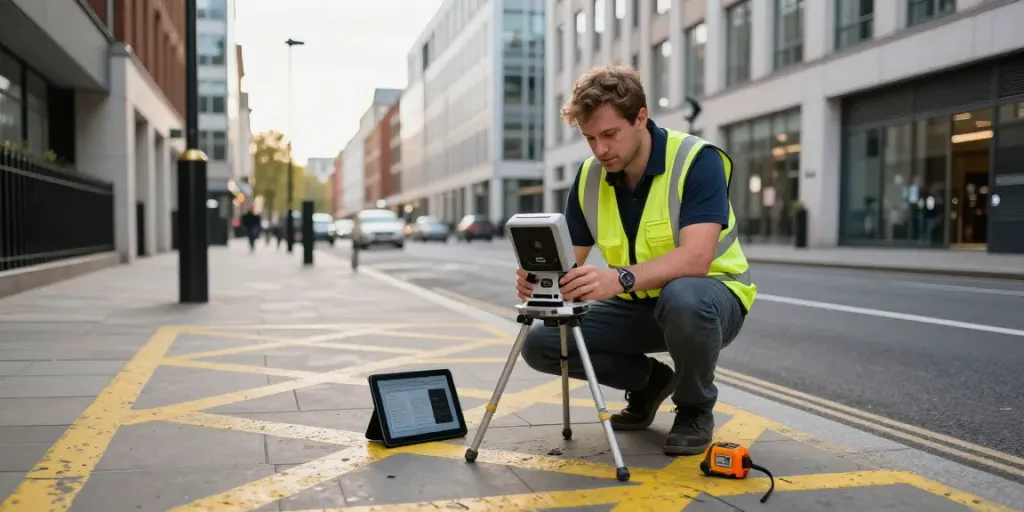
Understanding PAS 128 Surveys
PAS 128 surveys are a vital component in the field of underground utility detection, particularly in urban landscapes like London. By adhering to the PAS 128 standards, professionals ensure a thorough understanding of the underground infrastructure, which is essential for safe construction and planning. PAS 128 Survey London services provide comprehensive insights that can prevent costly disruptions.
What is a PAS 128 Survey?
A PAS 128 survey refers to a specification developed by the British Standards Institution (BSI) for the detection and location of underground utilities. This standard outlines the best practices for utility detection, mapping, and verification. The PAS 128 framework divides underground utilities into various quality levels, which help clients understand the reliability of the data collected from surveyors.
Importance of Utility Detection in London
In a city like London, where the infrastructure is dense and varied, the importance of utility detection cannot be overstated. The risk of accidentally damaging underground services during construction can lead to significant delays, unforeseen costs, and safety hazards for workers and the public alike. By implementing PAS 128 surveys, project managers can mitigate these risks and ensure a smoother workflow.
Key Standards and Guidelines for PAS 128
The PAS 128 standard provides a robust framework that outlines the minimum requirements for surveying underground utilities. This includes guidelines for survey types, methodologies, and the information that should be included in the final report. Understanding these standards is crucial for professionals within the construction and engineering sectors, as it ensures compliance with current regulations and industry best practices.
Types of PAS 128 Surveys
Classification of Survey Levels (QLs)
The PAS 128 standard categorises surveys into four Quality Levels (QL1 to QL4), each representing a different accuracy and verification level.
- QL1: Desk-based study with information from utility services.
- QL2: Detection of utilities using non-intrusive methods, such as ground penetrating radar (GPR).
- QL3: Detection and verification of utilities by exposing them, ensuring higher accuracy.
- QL4: Full verification and mapping of utilities, with detailed drawings and documentation.
Differences Between the Four Types of PAS 128 Surveys
Understanding the differences between the survey types is essential for selecting the right approach for a specific project. QL1 surveys are generally the quickest and least expensive, serving as an initial assessment. In contrast, QL4 surveys are comprehensive and time-consuming, providing the most detailed and reliable data for critical projects.
Choosing the Right Survey Type for Your Project
Selecting the appropriate PAS 128 survey type often depends on the project's complexity, budget, and timeline. For minor projects, a QL1 or QL2 survey may suffice, while significant construction projects in built-up areas would require a QL3 or QL4 survey to ensure utmost accuracy and safety.
Benefits of Conducting a PAS 128 Survey
Preventing Costly Errors in Construction Projects
One of the primary benefits of conducting a PAS 128 survey is the prevention of expensive errors during construction. By identifying the precise locations of underground utilities, contractors can avoid accidental hits that could lead to service disruptions or costly repairs.
Enhancing Safety for Workers and Public
Implementing PAS 128 surveys significantly enhances the safety of both workers and the public. With a clear map of underground utilities, project teams can plan their work more effectively, reducing the risk of accidents and injuries on-site.
Ensuring Compliance with Legal and Regulatory Standards
Compliance with legal and regulatory requirements is another critical aspect of PAS 128 surveys. Adhering to these standards helps avoid potential fines and legal issues, providing peace of mind for project managers and stakeholders.
Best Practices for PAS 128 Surveys
Preparing for a Survey: What You Need to Know
Effective preparation is crucial for the success of a PAS 128 survey. This includes gathering all relevant site information, facilitating access to the work area, and ensuring that all stakeholders are informed of the survey schedule and objectives.
How to Read and Interpret Survey Results
Interpreting PAS 128 survey results requires an understanding of the quality levels and the implications of the data. The final report typically includes maps and descriptions of the detected utilities, which must be carefully reviewed to inform subsequent project phases.
Maintaining Equipment and Data Integrity
Regular maintenance of surveying equipment is essential to ensure accuracy and reliability in results. Additionally, safeguarding data integrity throughout the survey process— from data collection to the final reporting stage— is critical for retaining compliance with PAS 128 standards.
Future Trends in PAS 128 Surveying
Innovations in Surveying Technology and Methodology
The field of surveying is constantly evolving, with innovations such as drones and advanced GPR technologies enhancing the accuracy and speed of PAS 128 surveys. These technologies allow for more efficient mapping of underground utilities, which is particularly advantageous in urban environments like London.
Impact of Emerging Regulations on PAS 128 Surveys
As regulations continue to evolve, staying compliant with the latest PAS 128 standards will be paramount for surveying professionals. Understanding these changes and adapting to new guidelines will be critical for maintaining competitive advantages in the field.
Predictions for PAS 128 Survey Practices in 2026
Looking towards 2026, it is anticipated that PAS 128 surveys will incorporate even more advanced technologies, such as artificial intelligence and machine learning, to improve data analysis and utility detection. This progression will lead to faster turnaround times and more detailed insights into underground infrastructures.
What are the implications of the latest PAS 128 standards for future projects?
The latest PAS 128 standards are designed to improve the quality and reliability of survey data. For future projects, this means that stakeholders can expect increased accountability and transparency in the surveying process, ultimately leading to more successful project outcomes.
How can PAS 128 Surveys streamline project planning and execution?
By providing a clear understanding of underground utilities, PAS 128 surveys can streamline project planning and execution, reducing the time spent on unexpected delays associated with utility relocations or repairs.
What technologies are shaping the future of PAS 128 Surveys in urban settings?
Technologies such as 3D imaging, advanced GPR, and integrated GIS (Geographic Information Systems) are at the forefront of shaping PAS 128 surveys in urban settings. These tools enhance the ability to visualise underground infrastructures, improving both planning and execution phases of construction projects.